Global Cestode Database
Cestode Scientific Name
| Species ID | 14437 |
|---|---|
| Order | Trypanorhyncha |
| Family | Rhinoptericolidae |
| Subfamily | |
| Genus | Rhinoptericola |
| Species | hexacantha |
| Authority | Herzog & Jensen, 2022 |
| Taxonomic Status | Valid |
| Valid Name | |
| Synonyms | |
| Genus Record | No |
| Type Species | |
| Verified | Yes |
| Verified By | K. S. Herzog |
| Citation(s) |
Herzog, K. S. and K. Jensen. 2022. A synergistic, global approach to revising the trypanorhynch tapeworm family Rhinoptericolidae (Trypanobatoida). PeerJ Life & Environment 10:e12865: 83 pp. (7426) Download PDF |
| Redescription | |
| Scientific Name Notes | urn:lsid:zoobank.org:act:0D1C299F-11FF-415D-B2BA-88BC60FD5E1E |
Record Data
| Date (MM/DD/YYYY) | Action | User Name |
|---|---|---|
| 02/17/2022 | Created | B. Barbeau |
| 02/17/2022 | Modified | B. Barbeau |
| 02/18/2022 | Modified | B. Barbeau |
| 02/21/2022 | Modified | K. Herzog |
| 03/01/2022 | Modified | K. Herzog |
| 05/10/2022 | Modified | K. Herzog |
Type Host
| Host Class | Elasmobranchii | ||||||
|---|---|---|---|---|---|---|---|
| Host Order | Myliobatiformes | ||||||
| Host Family | Rhinopteridae | ||||||
|
Type Host (Literal) |
|
||||||
|
Type Host (Valid) |
|
||||||
| Additional Host(s) | |||||||
| Site in Host | spiral intestine | ||||||
| Host Notes |
Type Locality
| Country | México |
|---|---|
| Body of Water | Gulf of California |
| Island(s) | |
| City/Region | Loreto, Baja California Sur |
| Coordinates | 25°49'52"N, 111°19'38"W |
| DD Latitude | |
| DD Longitude | |
| Additional Localities | Gulf of California, Mexico: Bahia de Los Angeles (28°59′9″N, 113°32′53″W), Baja California; Puertecitos (30°20′58″N, 114°38′22″W), Baja California; and Santa Rosalia (27°19′51″N, 112°15′30″W), Baja California Sur. |
| Locality Notes |
Specimens
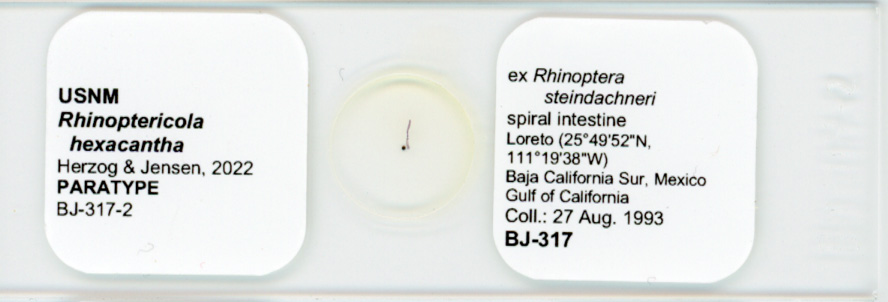
| Type Material | Holotype (CNHE 11612), three paratypes (CNHE 11613–11614), five paratypes (LRP 10722–10772), and four paratypes (USNM 1661592–1661595) |
|---|---|
| Total Number of Type Specimens | based on eight mature worms, two immature worms, one detached mature proglottid, cross-sections of one scolex, and two scoleces prepared for SEM |
| Voucher Material | LRP 10721 (hologenophore, this study) |
| Specimen Notes |
Data are given as in original description unless otherwise indicated.
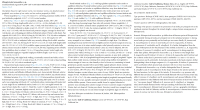
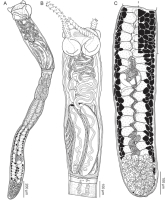
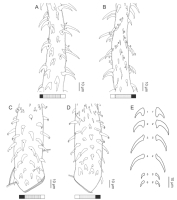

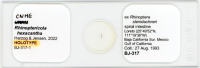
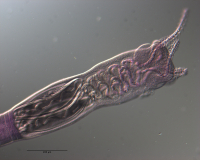
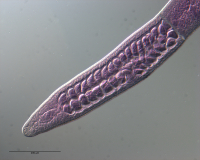

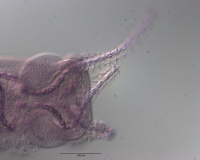


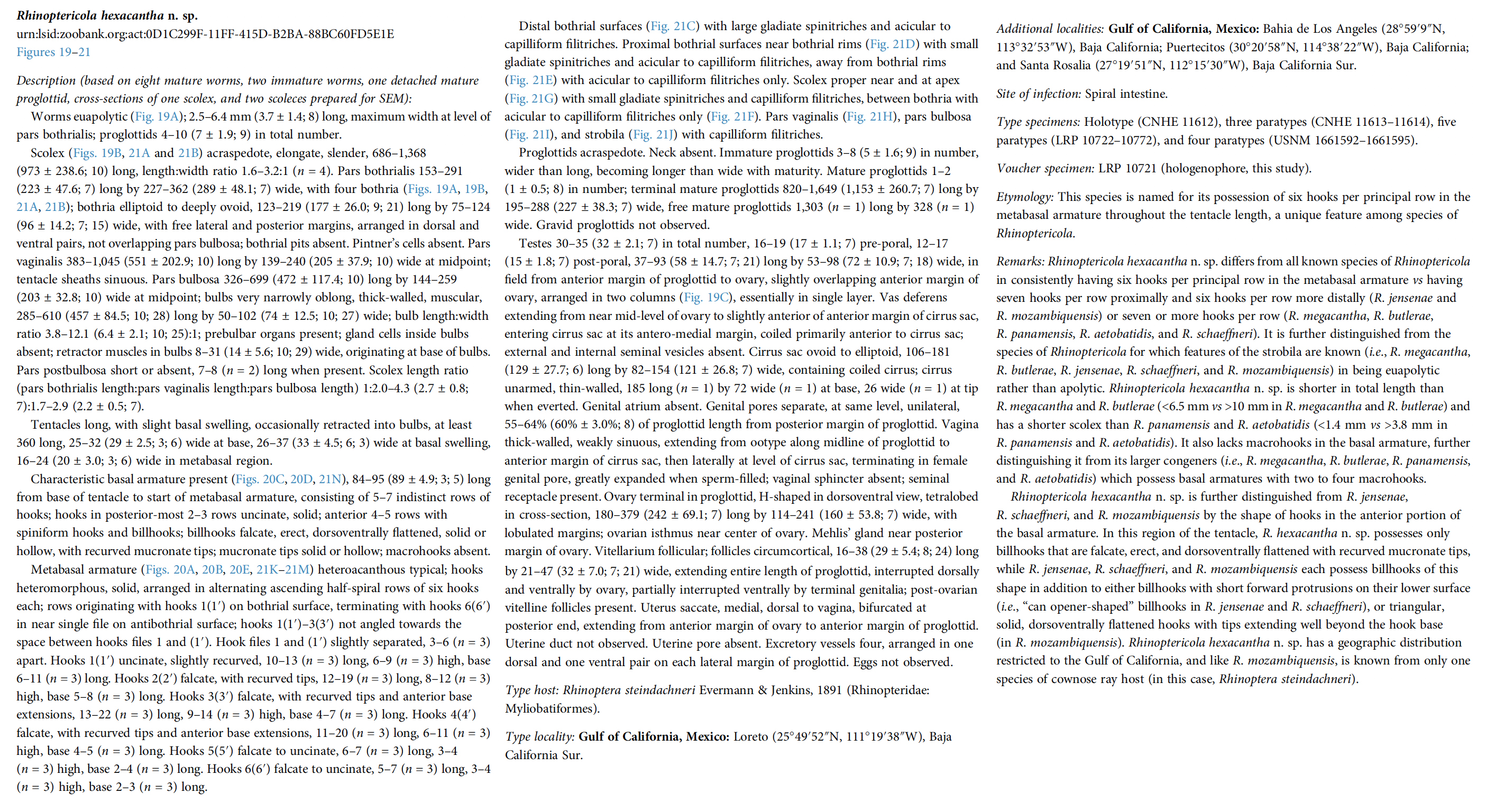
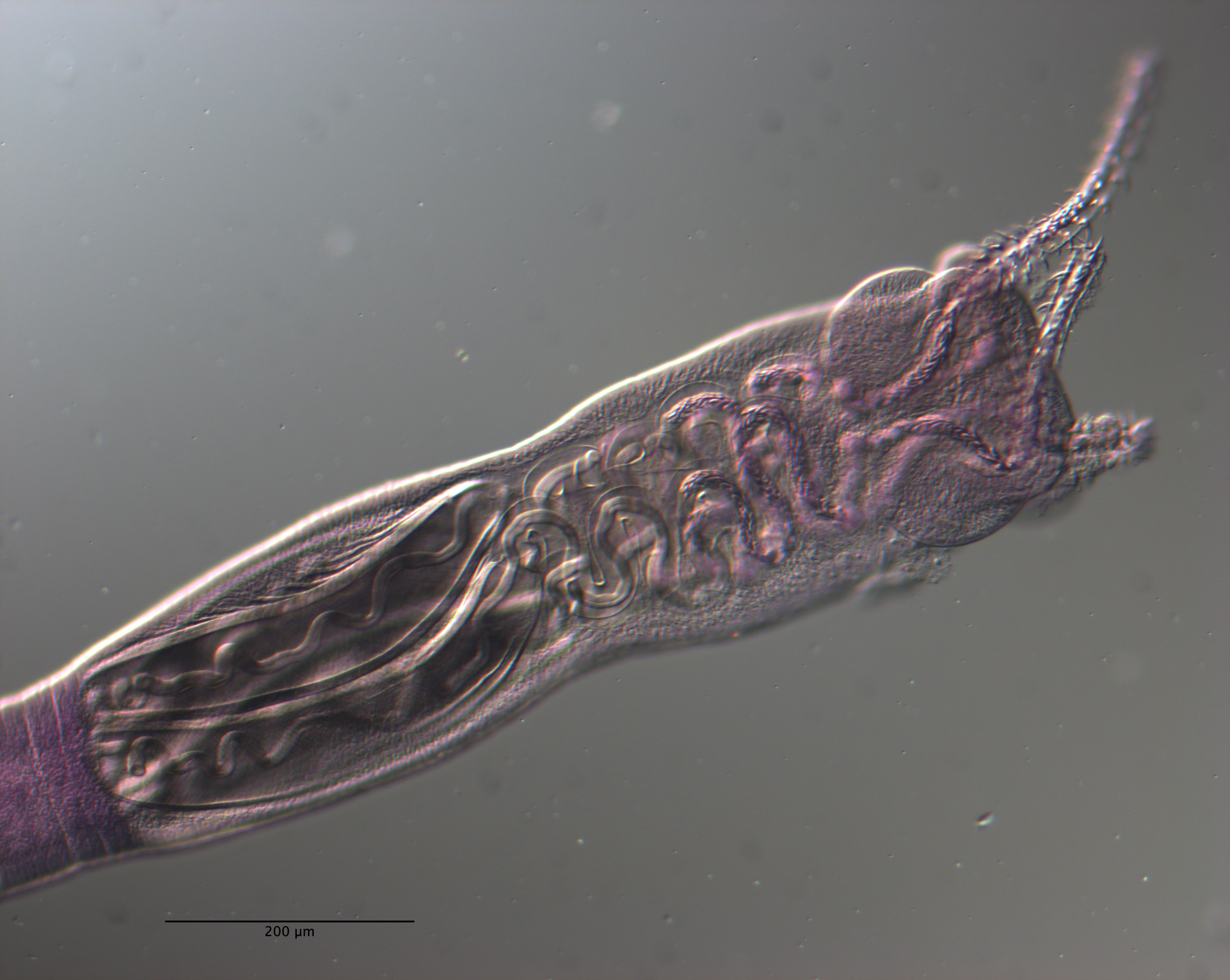
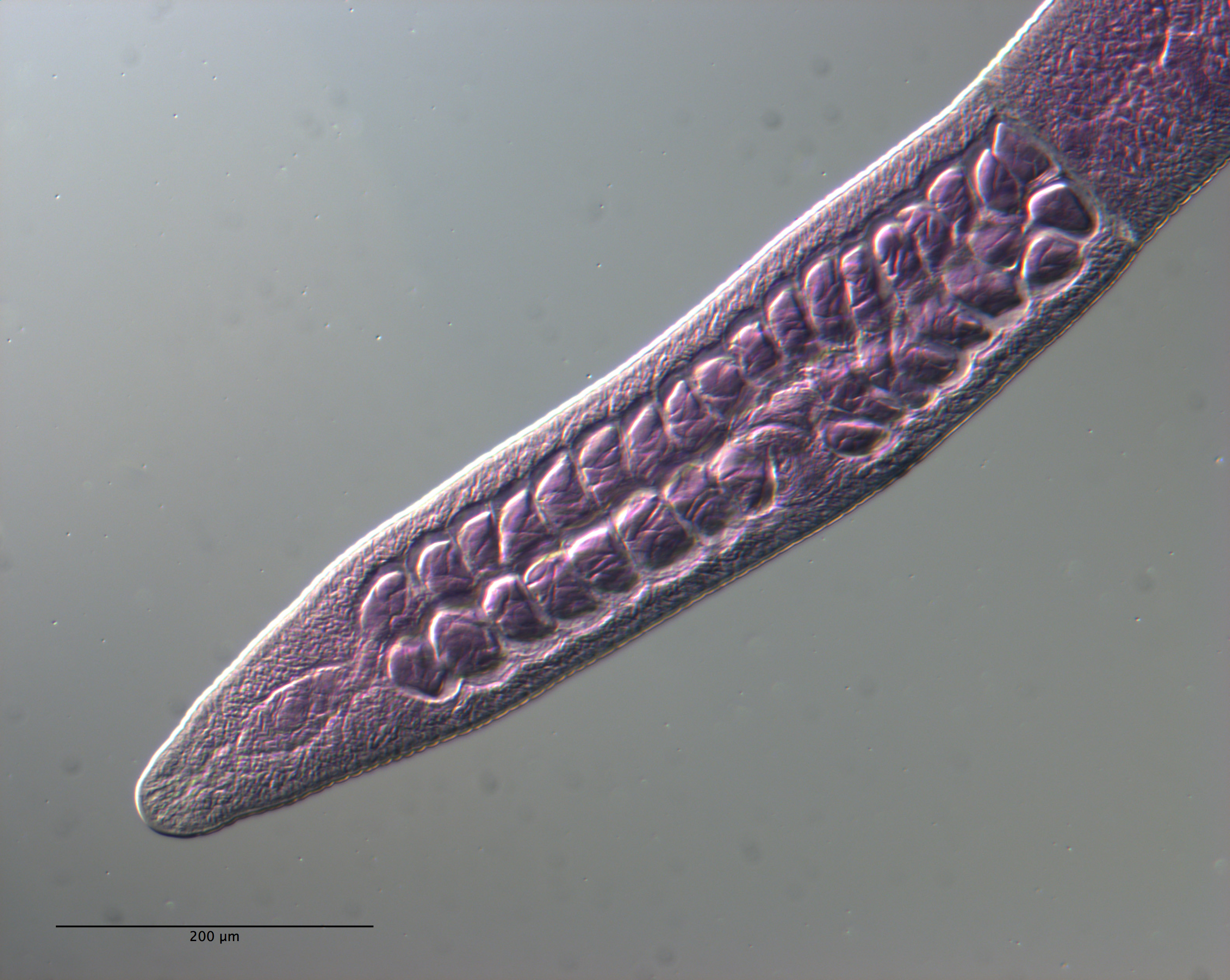
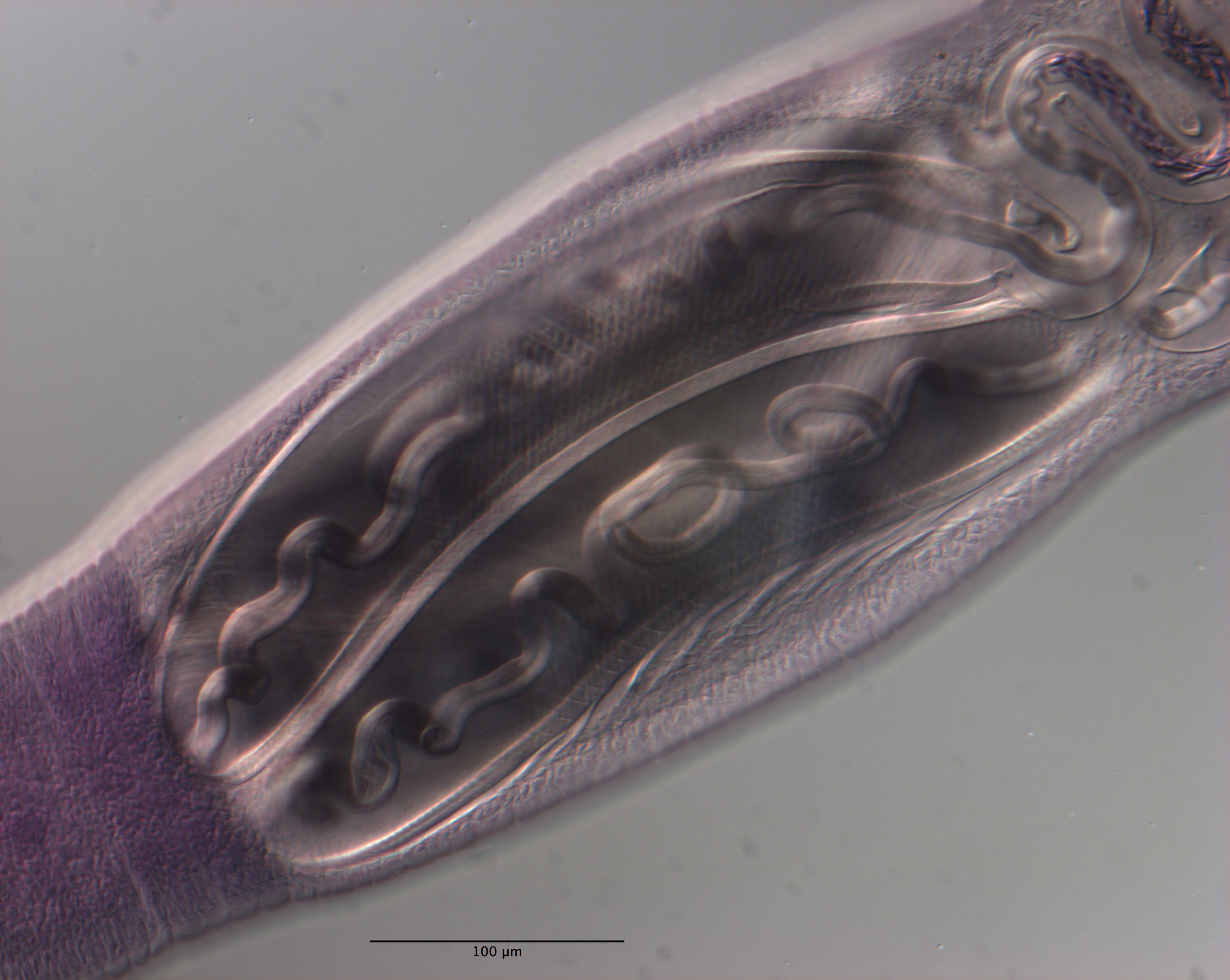
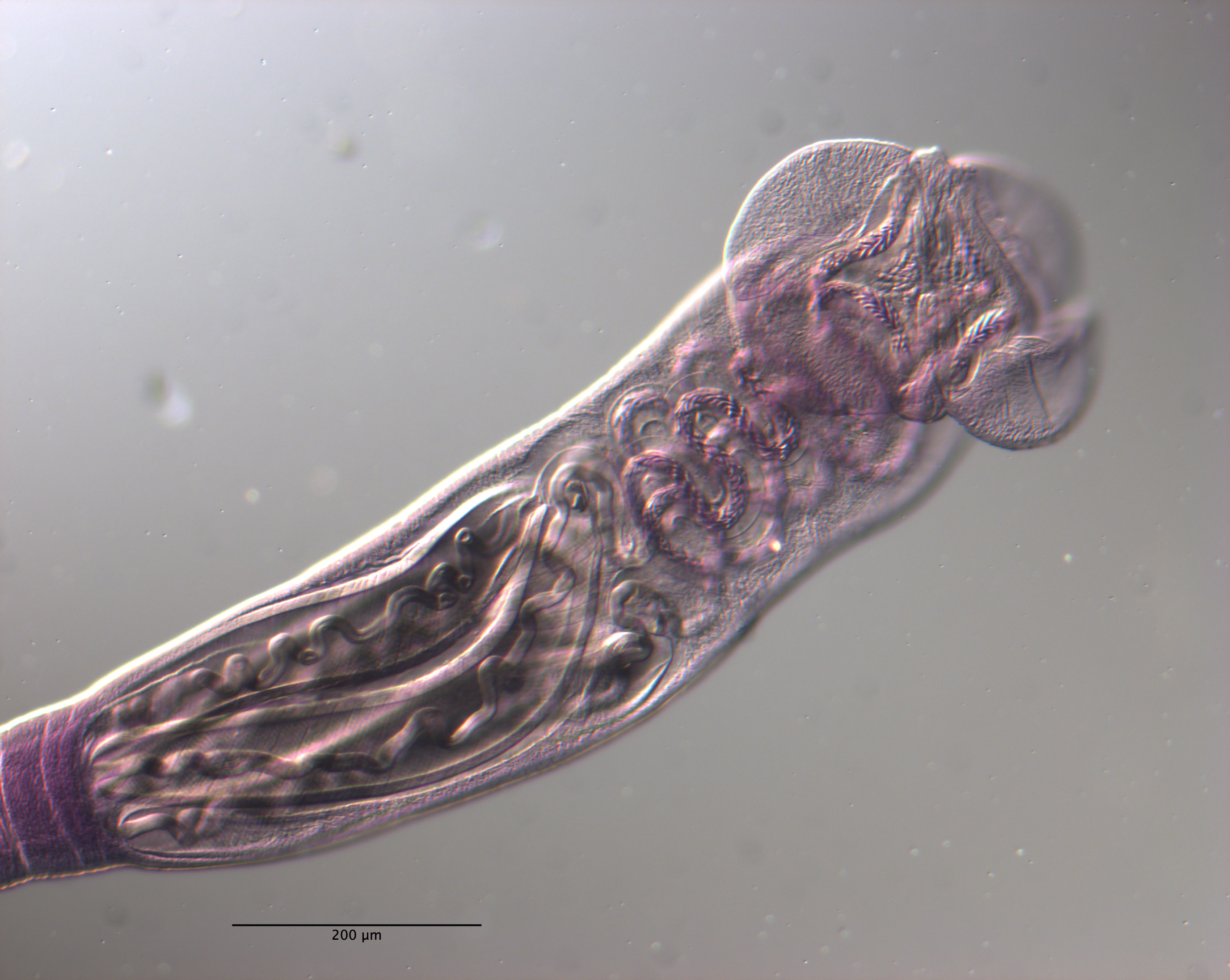
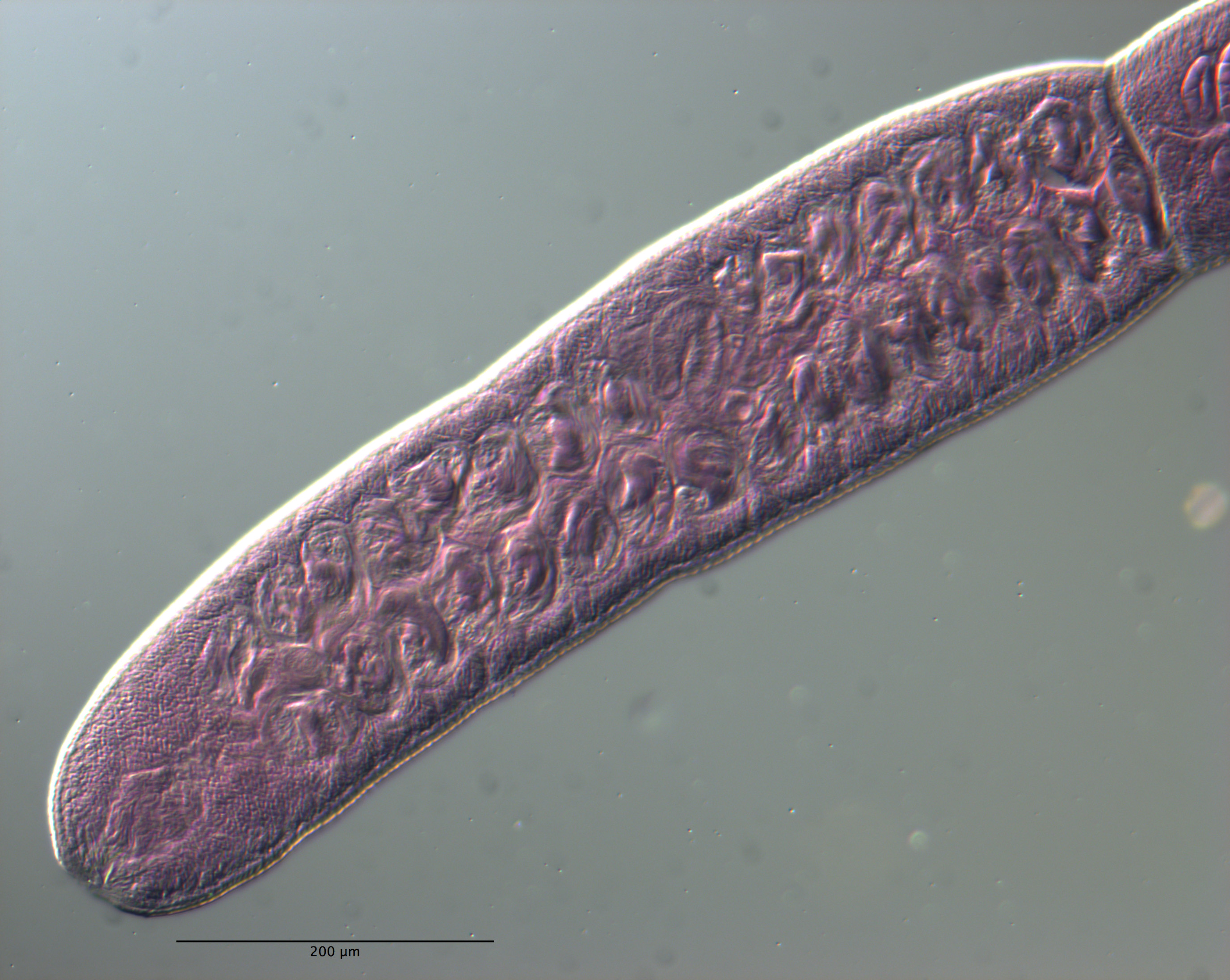
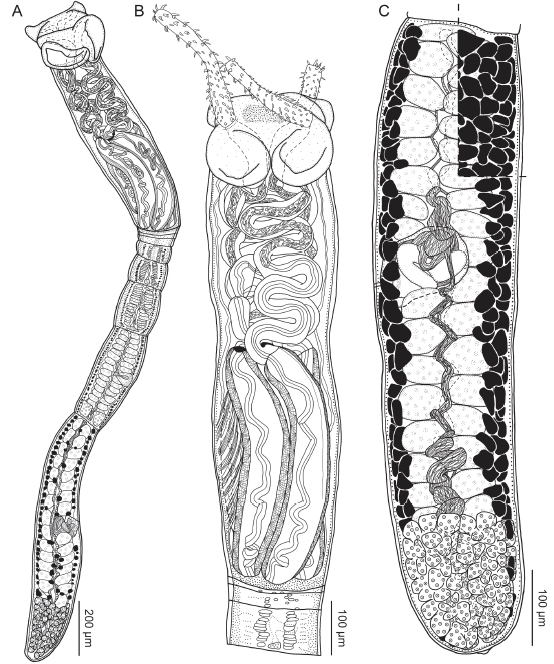 Figure 19 Line drawings of Rhinoptericola hexacantha n. sp. (A) Whole worm (USNM 1661594; paratype); specimen is not mature enough to exhibit circumcortical vitelline follicles in the terminal
proglottid. (B) Scolex (CNHE 11612; holotype). (C) Terminal proglottid (USNM 1661593; paratype); circumcortical vitelline follicles are drawn only on the lateral margins and in the region delimited by dashed lines. Full-size image DOI: 10.7717/peerj.12865/fig-19
Figure 19 Line drawings of Rhinoptericola hexacantha n. sp. (A) Whole worm (USNM 1661594; paratype); specimen is not mature enough to exhibit circumcortical vitelline follicles in the terminal
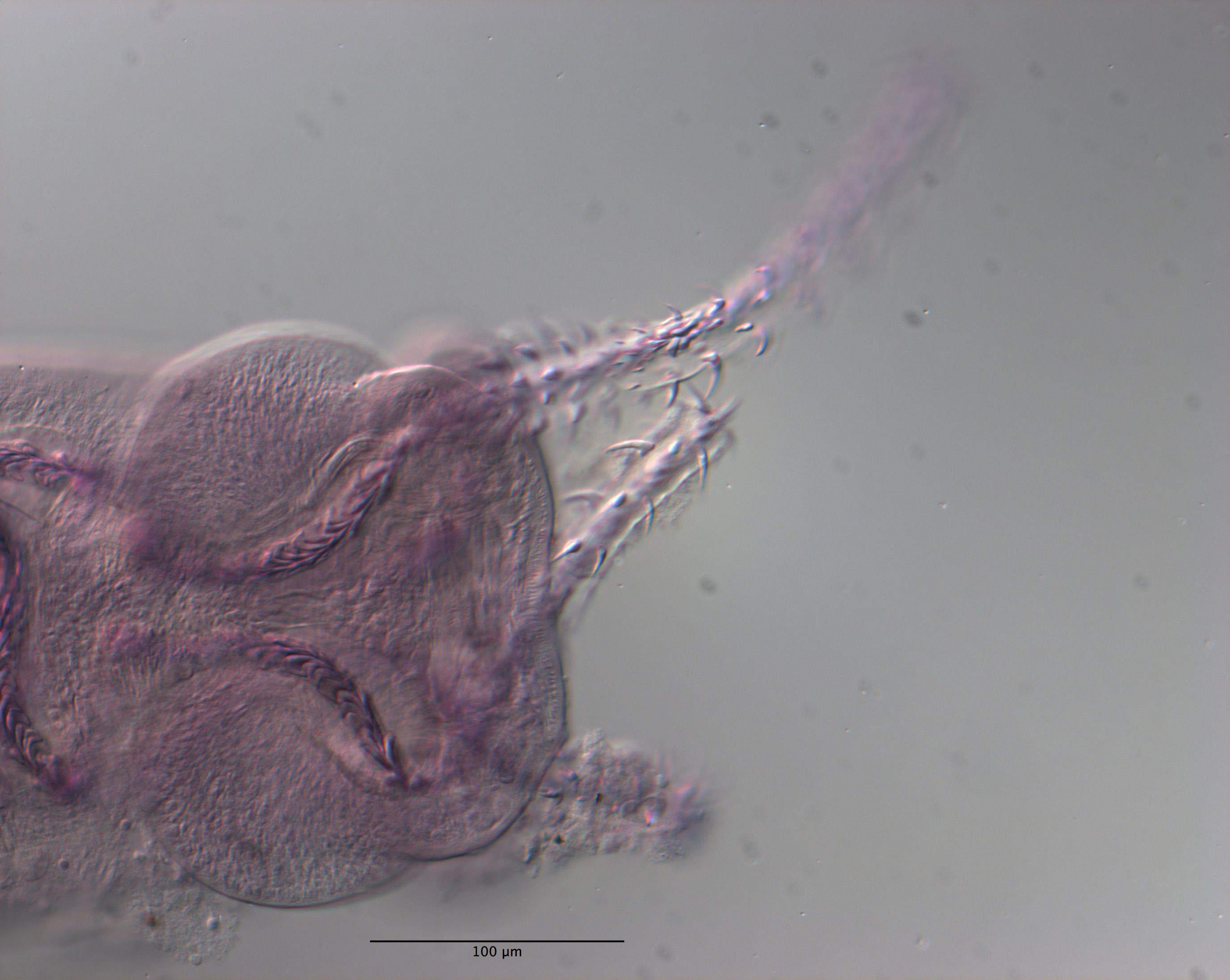
proglottid. (B) Scolex (CNHE 11612; holotype). (C) Terminal proglottid (USNM 1661593; paratype); circumcortical vitelline follicles are drawn only on the lateral margins and in the region delimited by dashed lines. Full-size image DOI: 10.7717/peerj.12865/fig-19 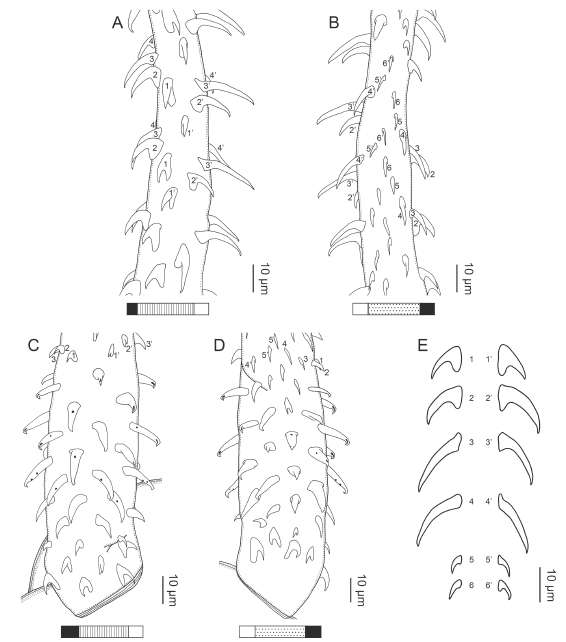 Figure 20 Line drawings of the tentacular armature of Rhinoptericola hexacantha n. sp. (A) Metabasal
armature, bothrial surface (LRP 10723; paratype). (B) Metabasal armature, antibothrial surface (LRP 10723; paratype). (C) Basal armature, bothrial surface (CNHE 11612; holotype). (D) Basal armature, antibothrial surface (CNHE 11612; holotype). (E) Comparison of metabasal hook shapes. Full-size image DOI: 10.7717/peerj.12865/fig-20
Figure 20 Line drawings of the tentacular armature of Rhinoptericola hexacantha n. sp. (A) Metabasal
armature, bothrial surface (LRP 10723; paratype). (B) Metabasal armature, antibothrial surface (LRP 10723; paratype). (C) Basal armature, bothrial surface (CNHE 11612; holotype). (D) Basal armature, antibothrial surface (CNHE 11612; holotype). (E) Comparison of metabasal hook shapes. Full-size image DOI: 10.7717/peerj.12865/fig-20 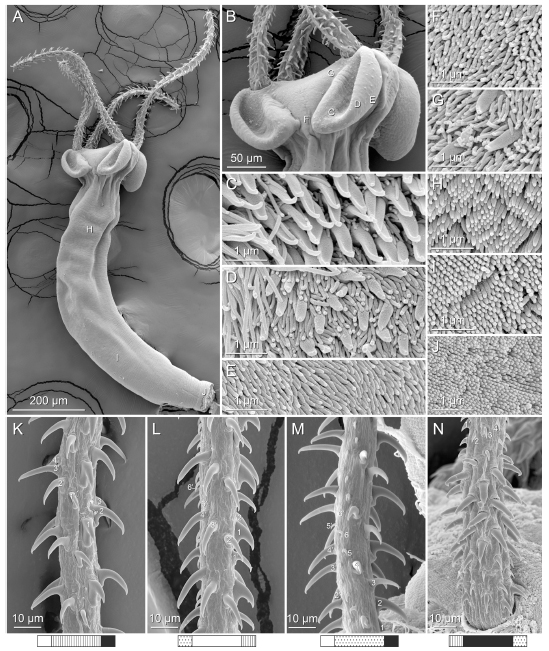 Figure 21 Scanning electron micrographs of Rhinoptericola hexacantha n. sp. (A) Scolex; small letters indicate the location of details shown in (H–J). (B) Bothria and basal armature; small letters indicate the location of details shown in (C–G). (C) Distal bothrial surface. (D) Proximal bothrial surface near the bothrial rim. (E) Proximal bothria surface away from the bothrial rim. (F) Surface of the scolex proper between the bothria. (G) Surface of the scolex proper at the apex. (H) Surface of the pars vaginalis. (I) Surface of the pars bulbosa. (J) Strobilar surface. (K) Metabasal armature, bothrial surface. (L) Metabasal armature, internal surface. (M) Metabasal armature, antibothrial surface. (N) Basal armature, external surface. Full-size image DOI: 10.7717/peerj.12865/fig-21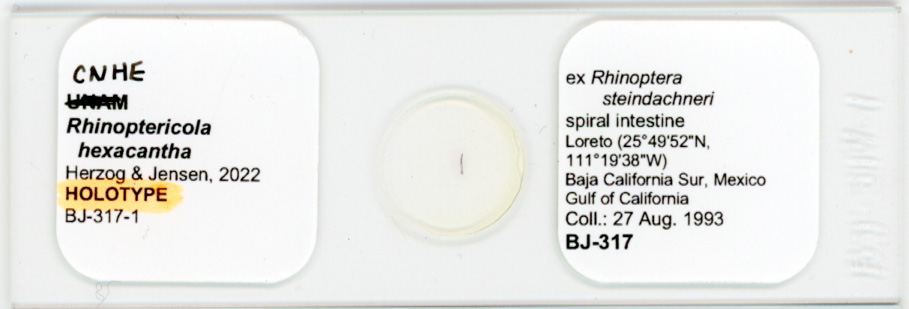


Best viewed in Firefox